The Influence of Tim Cook on the Product Design of Apple
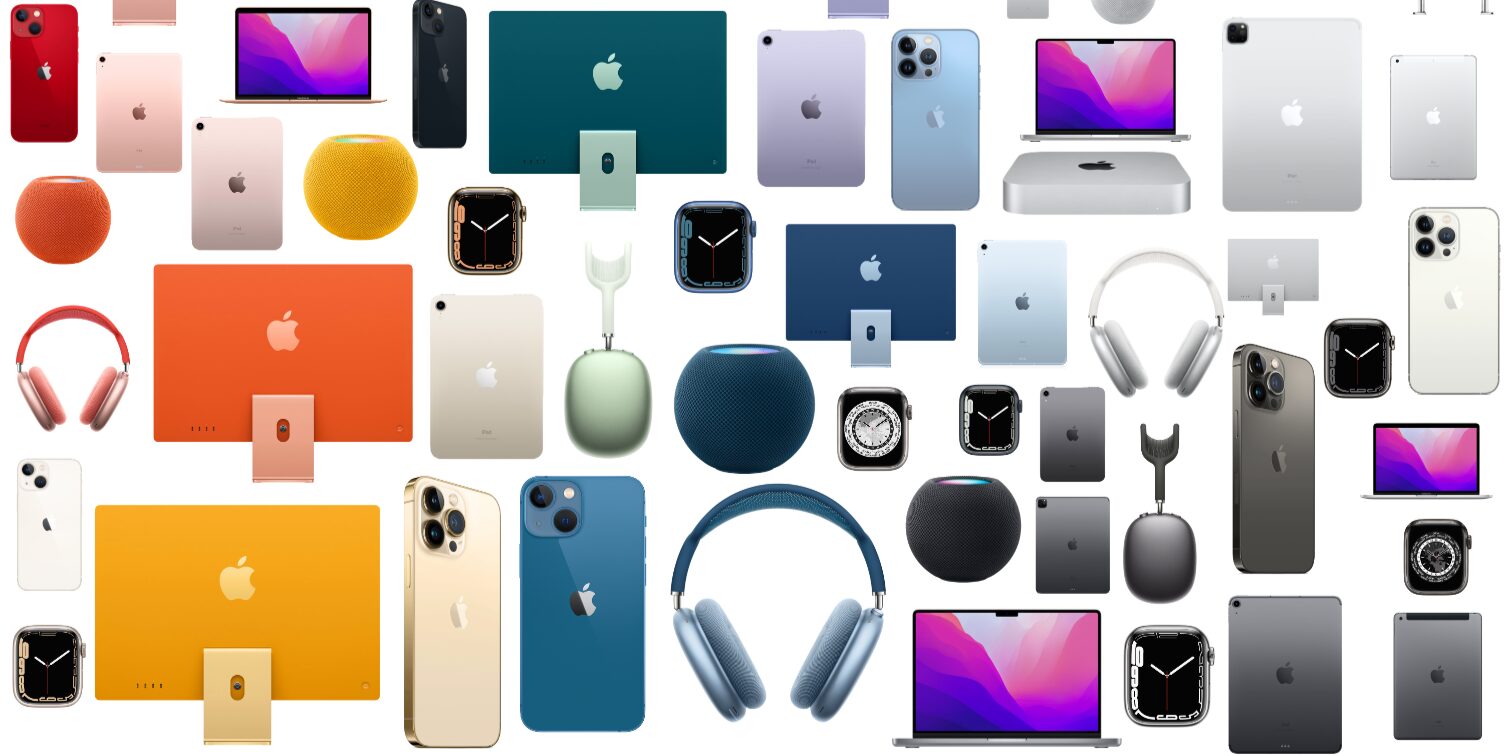
In 2011, Tim Cook took leadership of Apple, a multi-hundred-billion-dollar company defined by its iconic products. While his predecessor, Steve Jobs, focused on the standalone “hero” products like the iPod and iPhone, Cook’s tenure has been marked by a harmonious expansion. Under his leadership, Apple’s design evolved from crafting iconic products to designing the invisible thread that connected hardware, software, and services into a unified and fluid experience. That shift is what took Apple from billions to trillions.
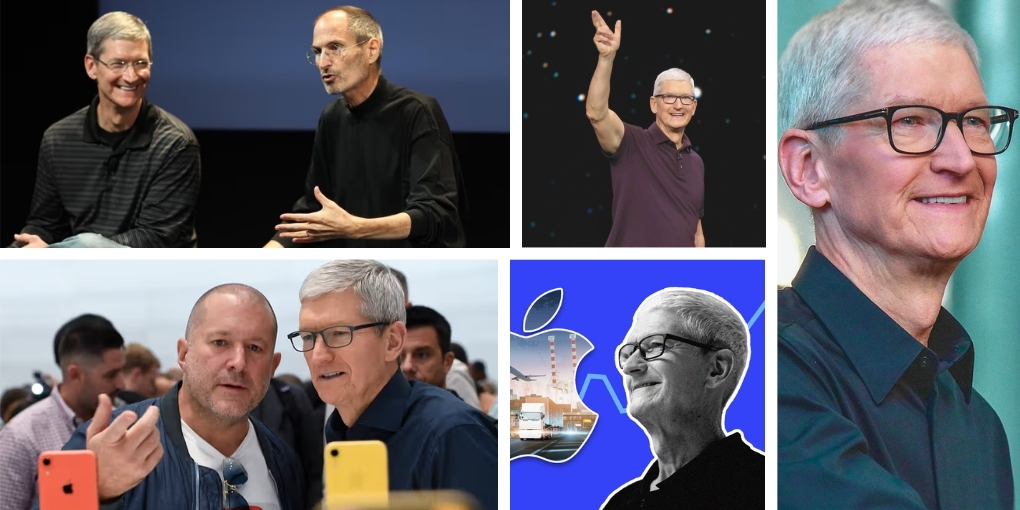
The Cook-led shift maintained Apple’s premium aesthetic and also scaled design principles across new categories and price points. By prioritizing mass-market usability and sustainability-focused initiatives, Cook transformed Apple’s clean, polished look into a global standard. Today, competitors like OnePlus and Huawei openly mirror this visual language, proving that Apple’s ecosystem approach now defines the look and feel of modern tech.
Big Products That Launched After Cook:
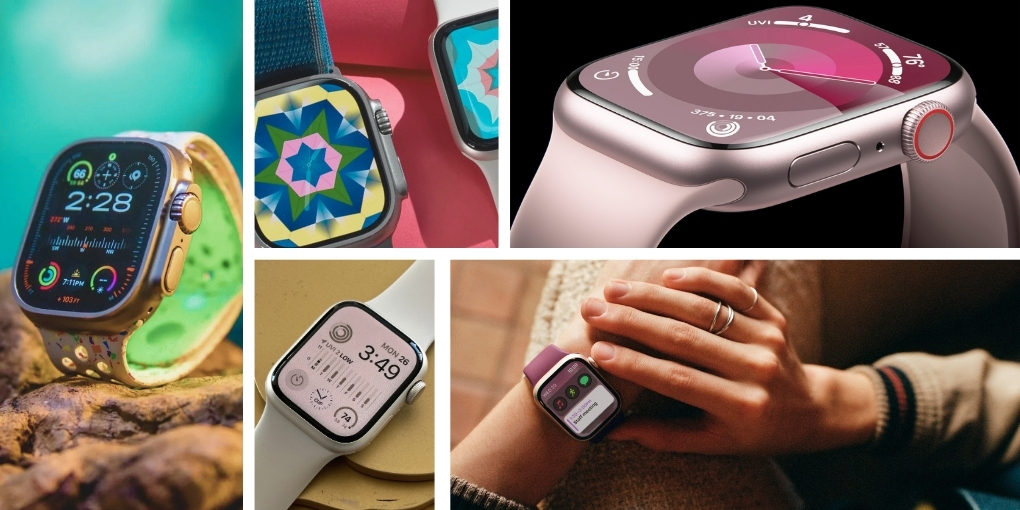
Apple Watch (2015)
Before the Apple Watch, wearables lacked a clear purpose. Apple reframed the category by focusing on the body rather than just the wrist, integrating health, fitness, and communication into a compact, essential device. This shift represented a fundamentally new approach to both form and design thinking.
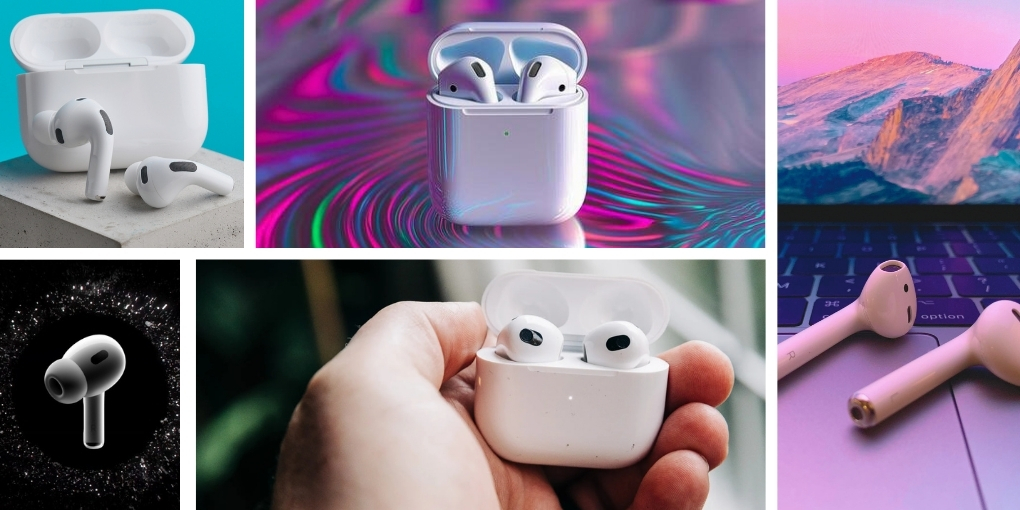
Airpods (2016)
AirPods succeeded not because they removed the wire, but because of what that removal made possible. Apple redesigned the entire listening experience around convenience and ecosystem integration, making device connection and listening a hands-free and automatic experience. The entire earbud market shifted to wireless after Apple normalized the technology and design.
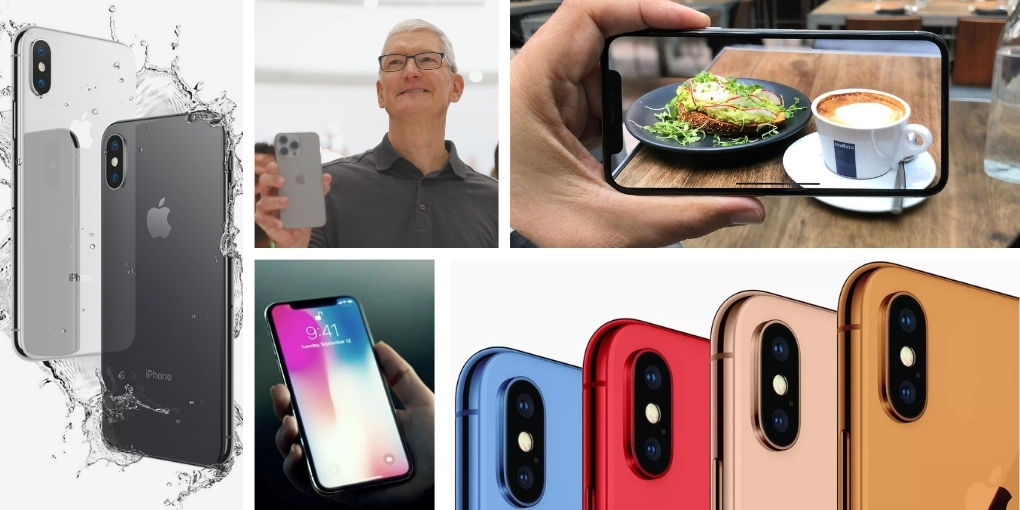
iPhone X (2017)
The iPhone X departed from a decade of established conventions. Removing the Home button retired ingrained user behavior and introduced an entirely new interaction model built around edge-to-edge display, swiping gestures, and Face ID. The product remained recognizable while the experience was fundamentally rebuilt to balance continuity and disruption.
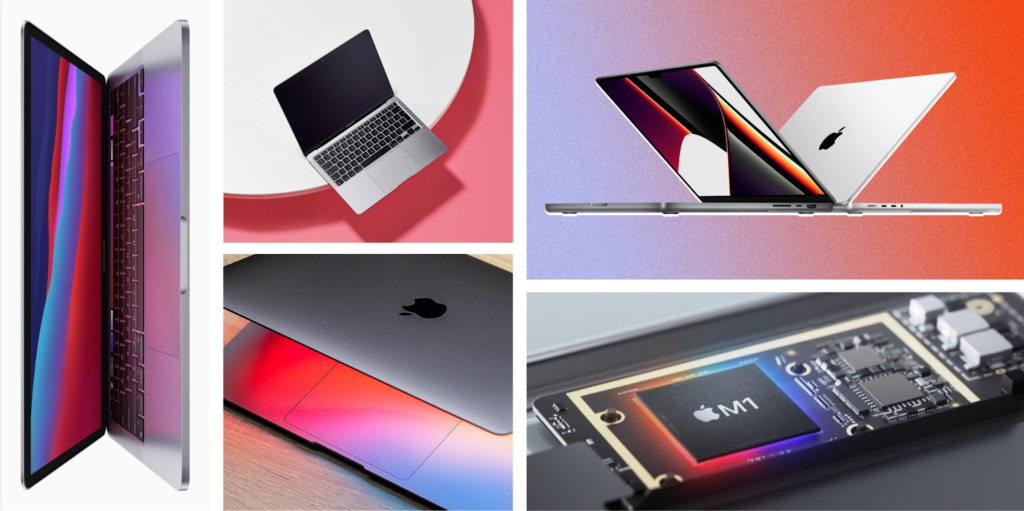
M1 Macs (2020)
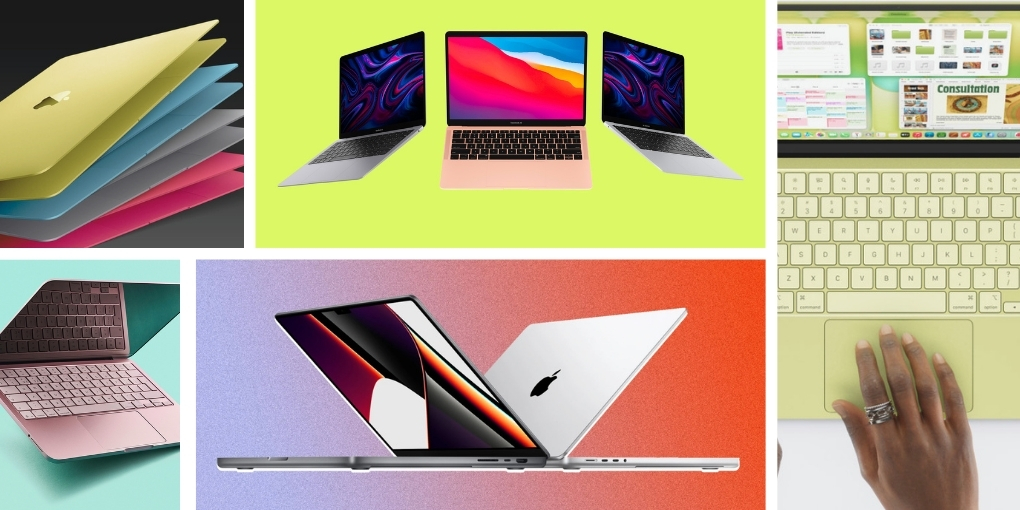
Apple redefined what a personal computer could do when it introduced the M1 MacBook. The M1 chip made delivering speed, efficiency, and battery life feel almost unbelievable. They seamlessly integrated with macOS and the rest of Apple’s ecosystem. Sleek, quiet, and energy-efficient, they proved that innovation could be elegant and powerful.
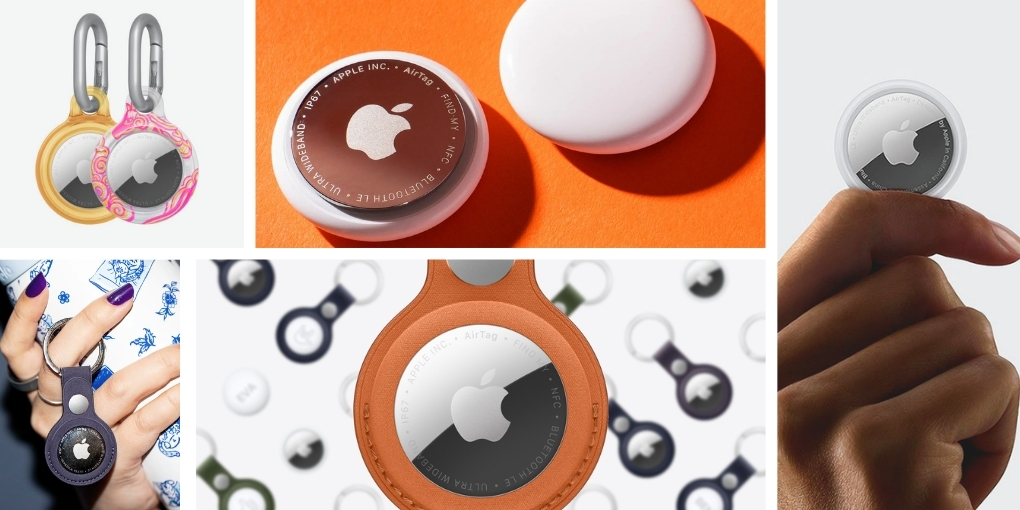
AirTags (2021)
Apple’s AirTag was created to solve the common problem of misplacing important items. It combines their sleek design with powerful and reliable tracking while seamlessly integrating it into their ecosystem. It keeps Apple’s signature ease of use and trust, which gained it popularity and became a practical accessory.
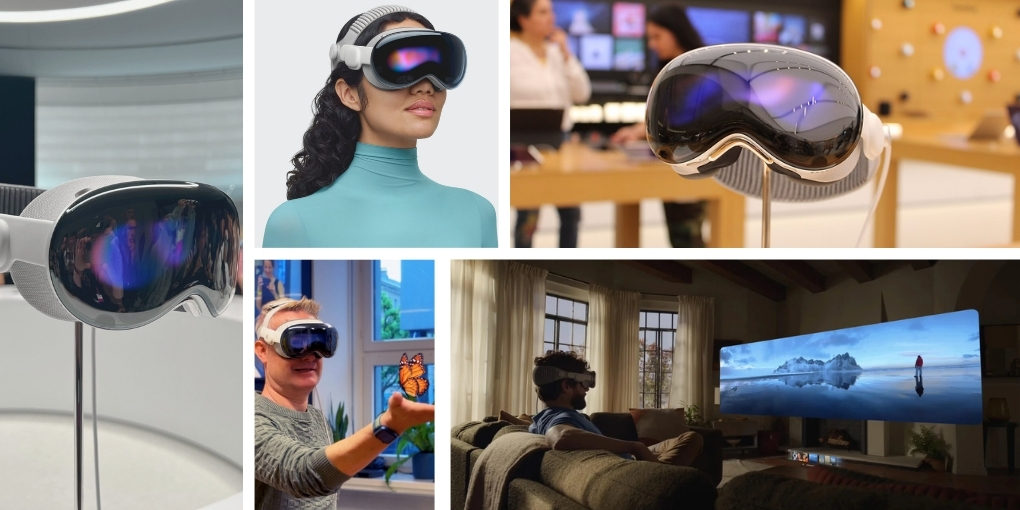
Vision Pro (2023)
The Vision Pro combines augmented and virtual reality into just a headset. It offers immersive experiences for work, play, and creativity. It also features advanced sensors, high-resolution displays, and intuitive controls. Like other Apple products, the Vision Pro prioritizes user comfort and seamless integration with the ecosystem, making it feel like a natural extension of devices users already know and trust.
MacBook Neo (2026)
The MacBook Neo is Apple’s newest and most affordable laptop. The product creates a new Opening Price Point (OPP) for Apple laptops, making the experience more accessible. It was designed to meet the needs of students, professionals, and casual users without compromising on quality, style, or innovation.
Now that Tim is stepping down and John Ternus is taking their place as CEO of Apple, we are eager to see what Apple has in store. Will they continue to pave the way in innovation?
If you’re ready to see how design can grow your business the same way it did for Apple, you should reach out to Beyond Design. Email us today at info@startbeyond.com, call our office, or visit us at beyonddesign.com to get started.

 Top
Top