Sound Is an Underrated Design Element
When we think about product design, we usually focus on what we can see and touch. We consider a product’s shape, color, materials, buttons, how well it performs its intended function, etc. But one element that often gets overlooked is sound! Sound plays a bigger role in our everyday interactions with products than we might realize.
Sometimes it communicates information, sometimes it makes an experience more enjoyable, and sometimes it gives a product a personality of its own. In many cases, these sounds aren’t even necessary for a product to work. Instead, they’re designed to make the user experience more sensational.

When Products Need to Make Some Noise
Electric vehicles (EVs) are a good example of how sound can influence product design. Without a traditional engine, electric vehicles produce very little noise. While that quietness can be seen as a perk, it also creates a safety concern for people in the surrounding area. Pedestrians and cyclists may not hear an approaching vehicle and could be put in danger. To address this, EV manufacturers incorporate artificial sounds into their cars to alert people nearby.
The distinct sound made also influences the vehicle’s identity. Traditional cars have recognizable engine sounds that people associate with certain brands, models, or performance. On the other hand, EVs give designers an opportunity to create something new with sound. The vehicle can communicate whether it feels sporty, refined, futuristic, or approachable, all based on the sound it emits. Just like the exterior design, the sound becomes part of how people recognize and experience the product.

Making Digital Experiences Feel Physical
As more products replace physical buttons with touchscreens, designers face a challenge. How do you make something feel responsive when there’s nothing physical to press?
This is where haptic technology comes in.
Haptics uses vibrations and other physical sensations to provide feedback. Think about typing on a smartphone or using a gaming controller. Those small vibrations help confirm that an action has been registered.
But haptics can go beyond simple vibrations. One example is Tanvas, formerly known as Tangible Haptics, a company Beyond Design has worked with. Tanvas develops technology that changes the friction between your finger and a touchscreen, allowing users to feel textures, edges, and buttons on an otherwise smooth surface.
Imagine being able to feel the controls on a car’s touchscreen without constantly looking down. Technologies like these show how combining sound and touch can make everyday products more intuitive, engaging, and easier to use.
Sounds Are Part of the Experience
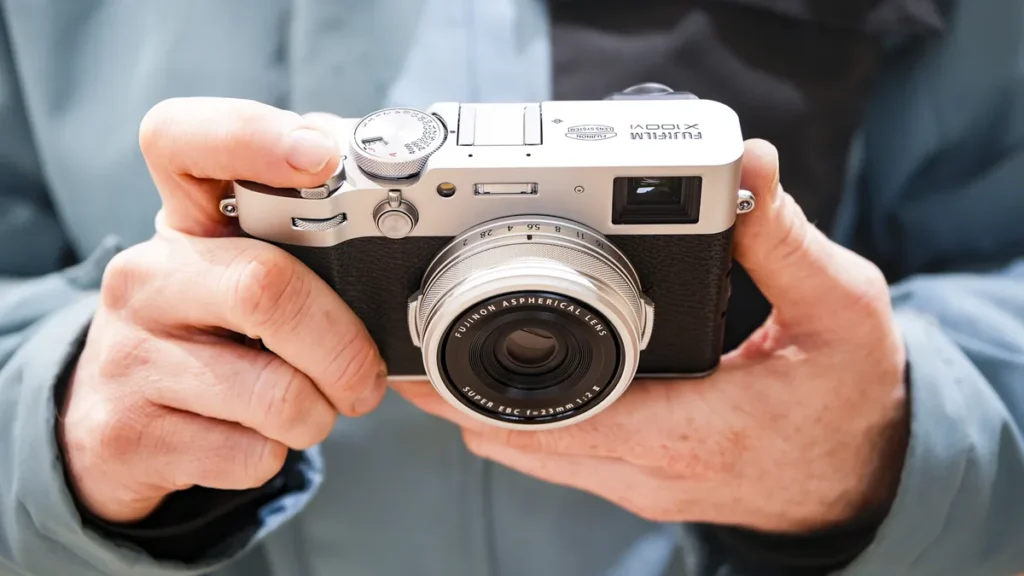
Digital cameras offer another great example. Modern cameras can capture photographs electronically and quietly without mechanical noise. Yet many digital cameras still reproduce the familiar sound of a camera shutter. Why?
A big part of the answer comes down to user familiarity. For generations, taking a picture has been associated with the satisfying sound of a shutter clicking. It’s a small detail that helps make the experience feel complete. The familiar click confirms that a photograph has been taken and recreates a sound people have come to associate with taking pictures. There’s also an emotional element to it. That familiar click can make taking a picture feel more intentional and satisfying. Even though the sound isn’t required to capture the image, removing it entirely could make the experience feel less natural to some users.

The Sounds We Take for Granted
We encounter designed sounds throughout the day without giving them much thought. A microwave beeps when our food is ready. A washing machine plays a short melody when a cycle finishes. A car makes a sound when we lock the doors. These sounds communicate information without requiring us to look at a screen or check whether something happened. They provide simple feedback that makes products easier to understand and use.
Imagine a microwave that simply stopped running without making a sound. You might have to look at the display or open the door to determine whether it finished. That small beep saves users a step and provides immediate confirmation. Of course, not every sound improves a product. Some beeps and sounds serve no purpose, so this is where thoughtful design matters. Ultimately, sounds need to be purposeful and make sense for the product and for the users.
Designing for the Complete Experience
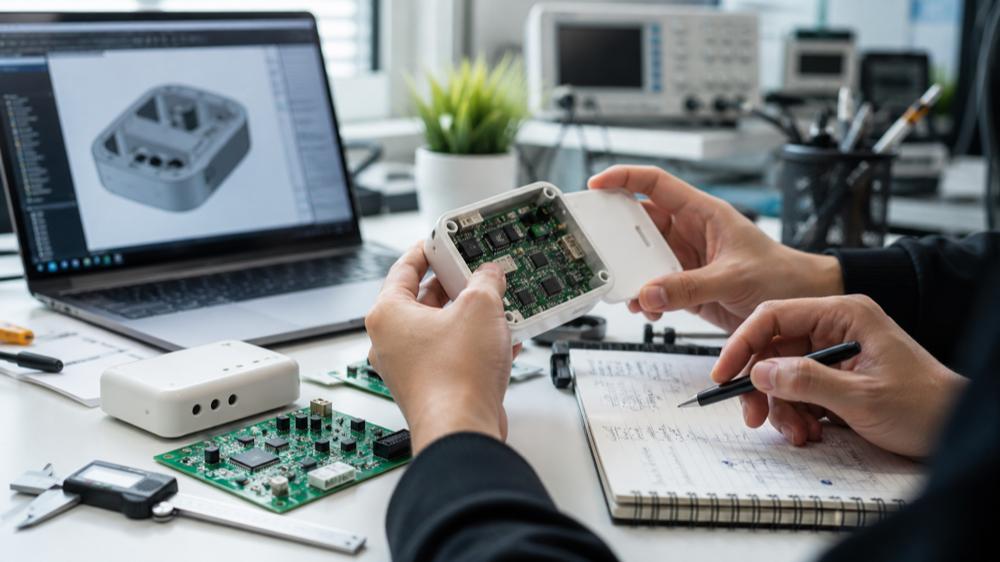
Sound should be considered alongside a product’s appearance, physical construction, functionality, and overall user experience. Does a button provide satisfying feedback? Does an alert communicate something important? Could an audio cue make an interaction easier or more accessible? These are questions worth considering early in the design process, rather than treating sound as something to address after a product is already developed.
This also requires collaboration between industrial designers, engineers, and user experience designers. The physical construction of a product influences the sounds it naturally produces, while electronics and software create opportunities for new audio and haptic experiences.
At Beyond Design, we believe good product design starts with understanding the people who will use a product and the experiences they expect from it. Sound might seem like a minor detail, but it can influence safety, usability, and how people feel about a product. Whether it’s a subtle vibration when pressing a button, the familiar click of a camera shutter, or the sound of an electric vehicle approaching, these details can shape the overall experience.
Have a product idea or looking to improve an existing product? We’d love to hear about it. Contact Beyond Design or visit Beyonddesign.com to learn how our team can bring your next product to life.

 Top