How Design Helped a Startup Sell to a $100 Billion Company
When NICO Technologies Corporation was acquired by one of the world’s largest medical technology companies, Stryker, it marked a major milestone for the SPECTRA startup that developed a machine that helps surgeons identify and remove brain tumors.
While the acquisition price was undisclosed, the outcome highlights an important reality for startups: breakthrough technology alone is rarely enough. If you want investors to line up to be part of something exciting, then you need design to tell your story in a simple and meaningful way.
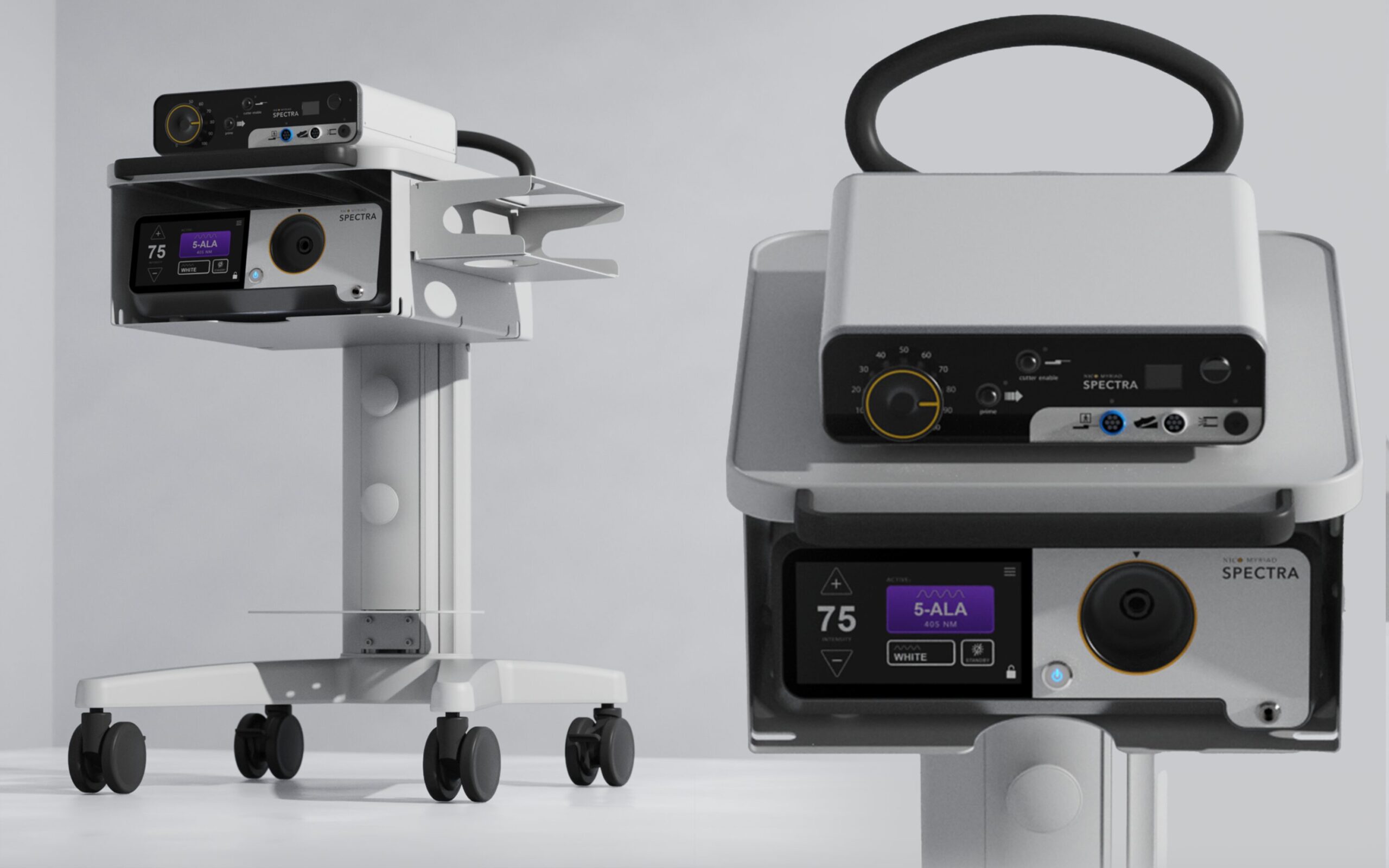
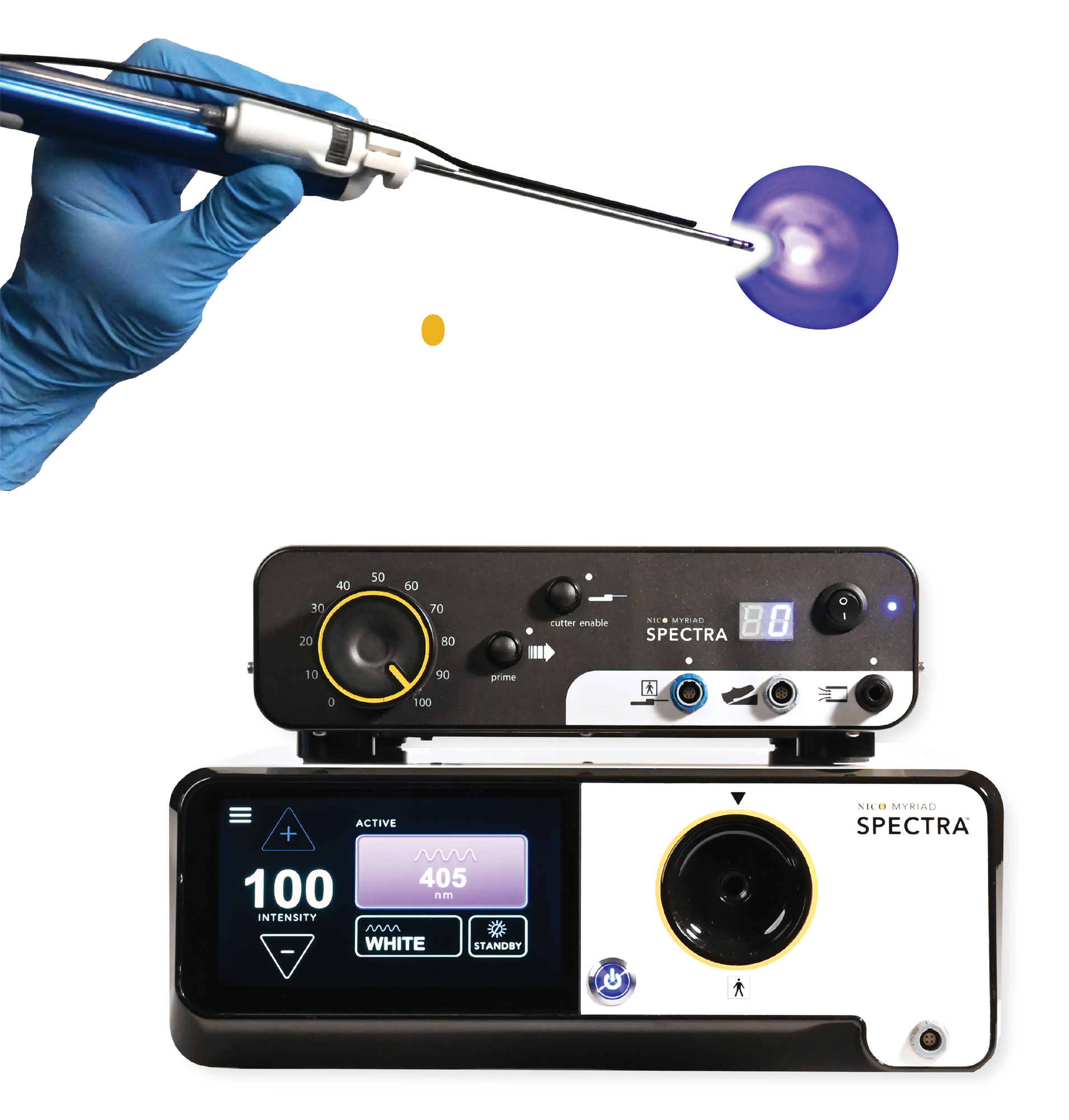
The Product
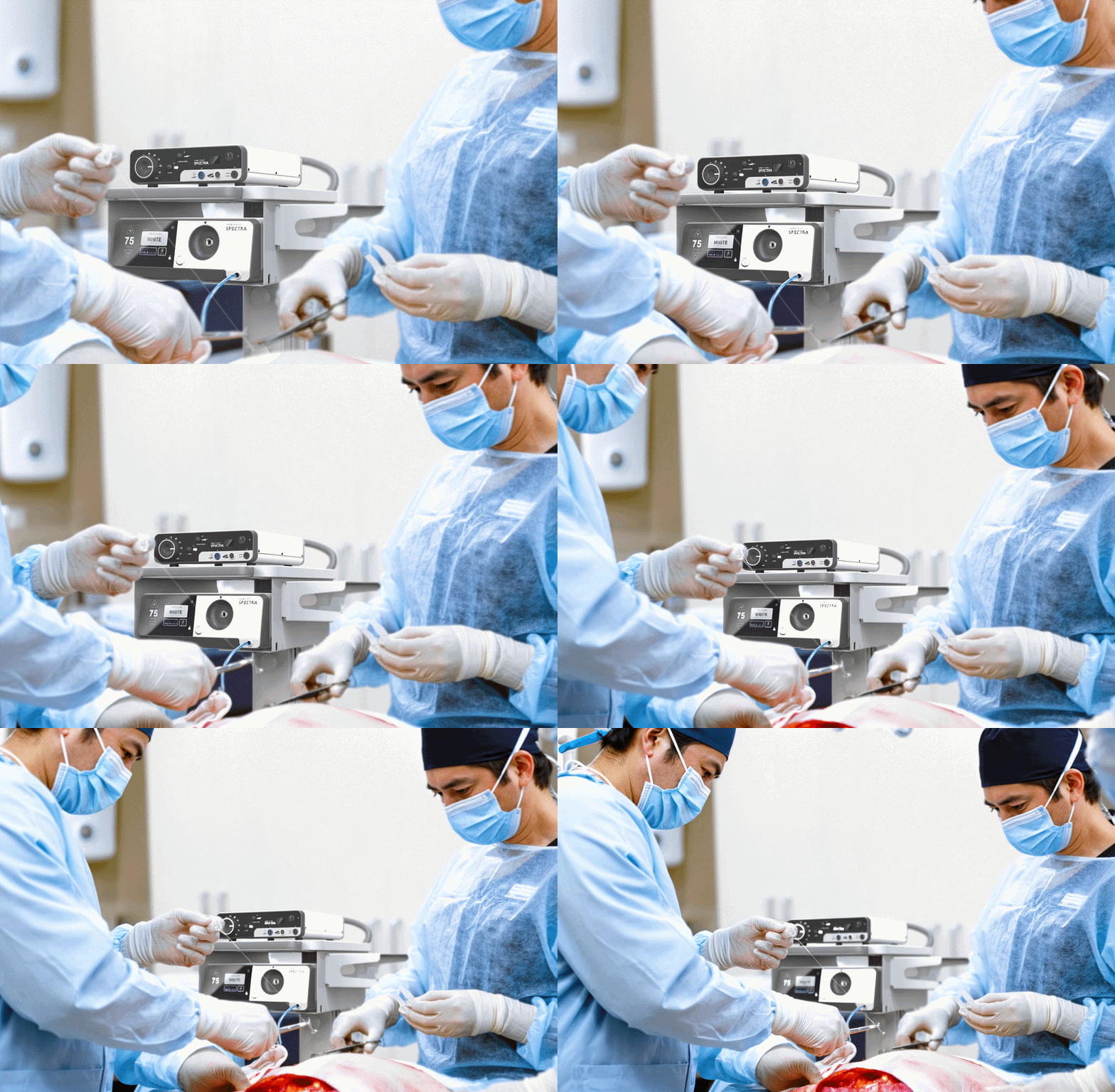
NICO developed the Myriad SPECTRA, a brain surgery device that helps surgeons identify and remove tumors using different light frequencies that react to solutions injected into the brain. The medical device provides greater visual precision through specialized lighting technology. The product combines advanced functionality with a highly technical surgical workflow, translating complex innovation into a product people can understand and trust.
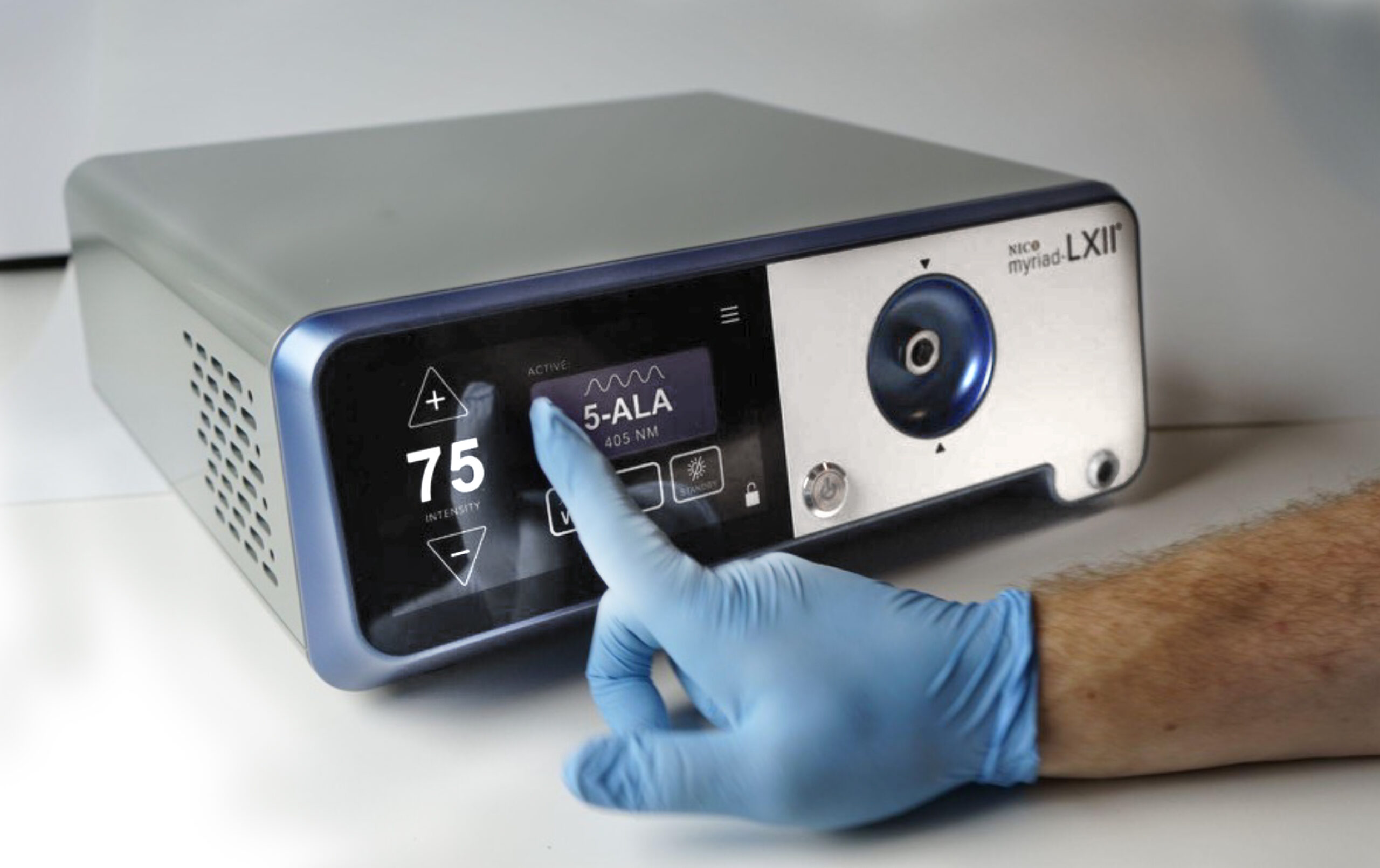
Where Designers Came In
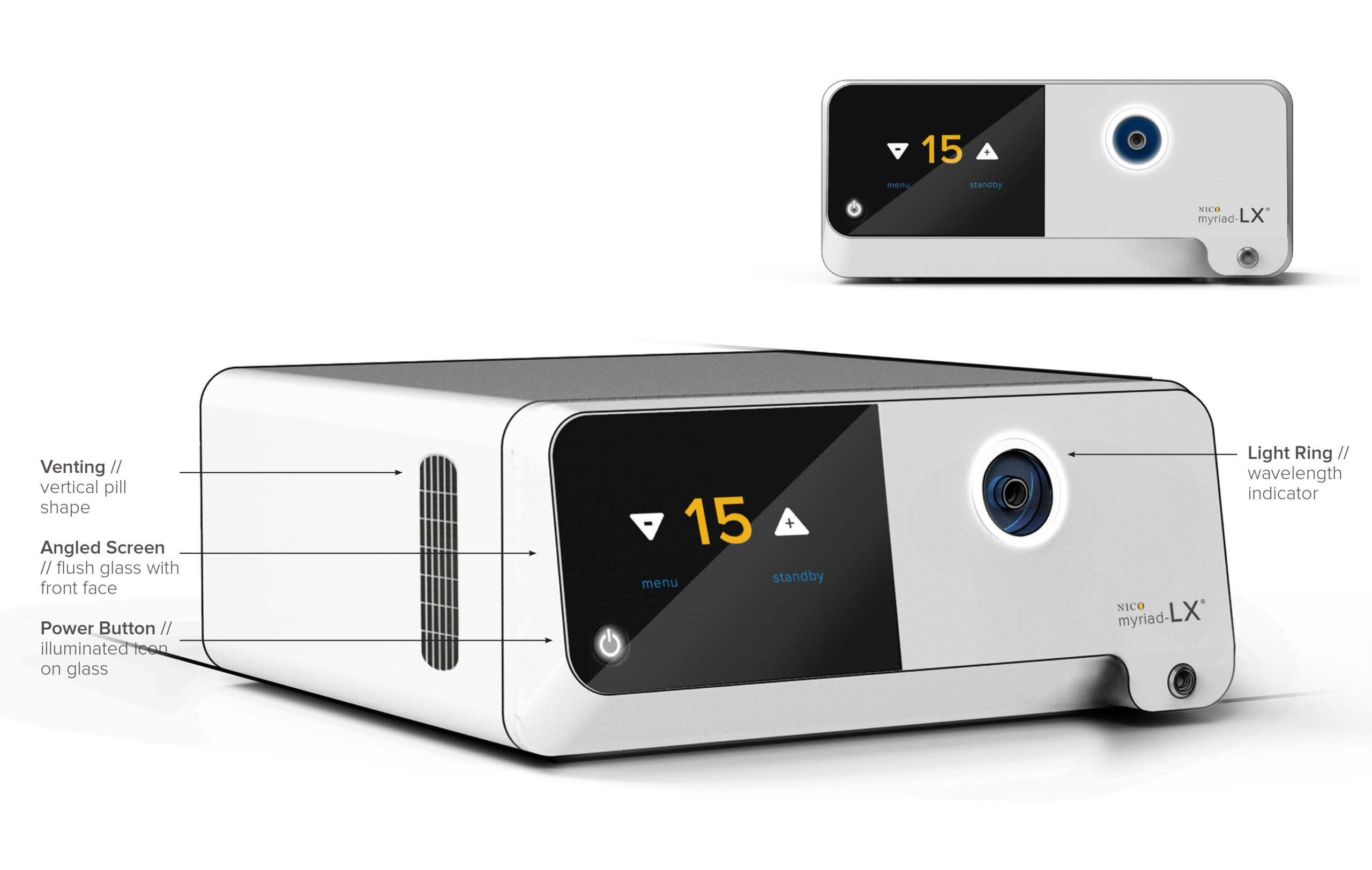
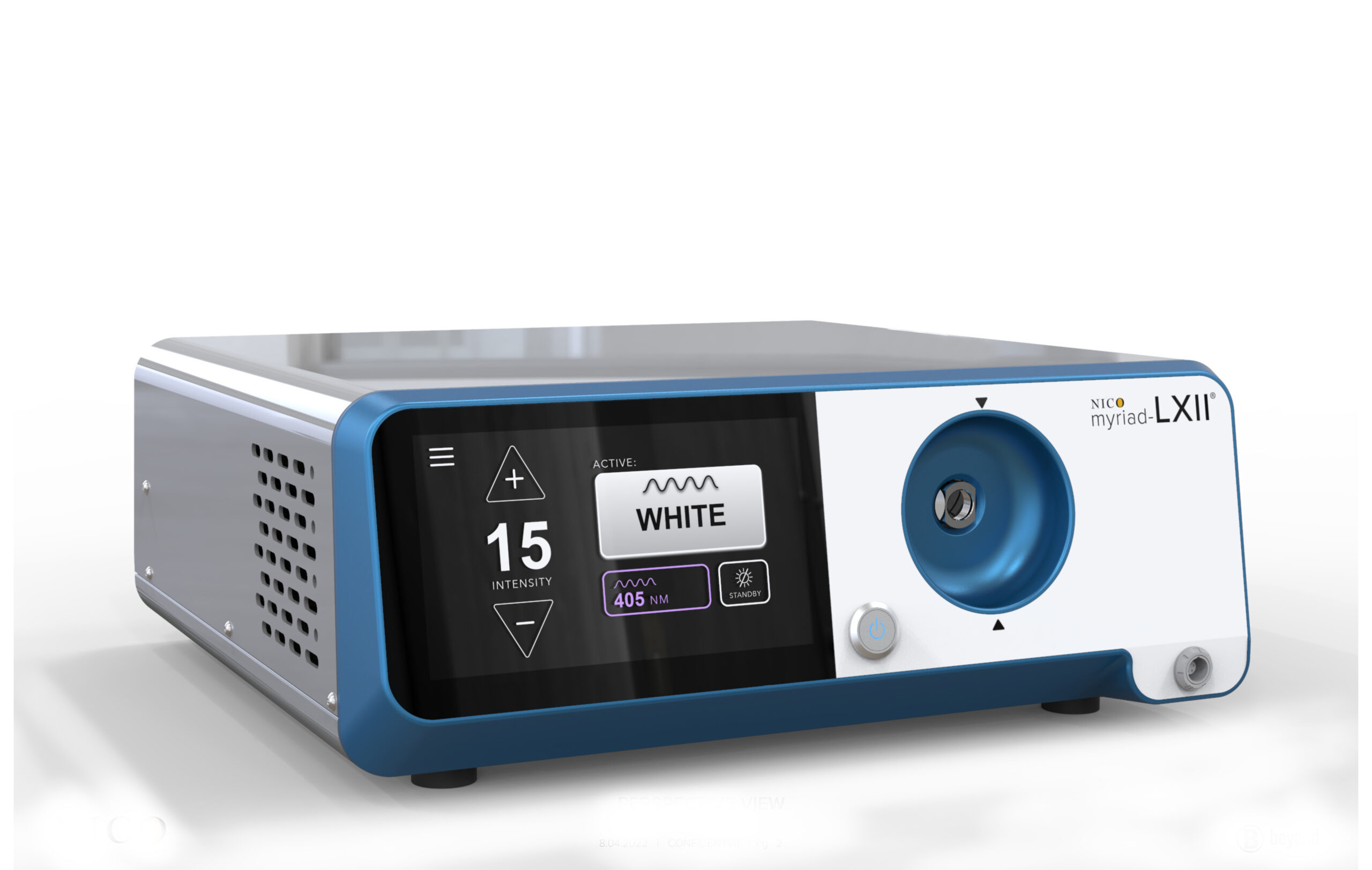
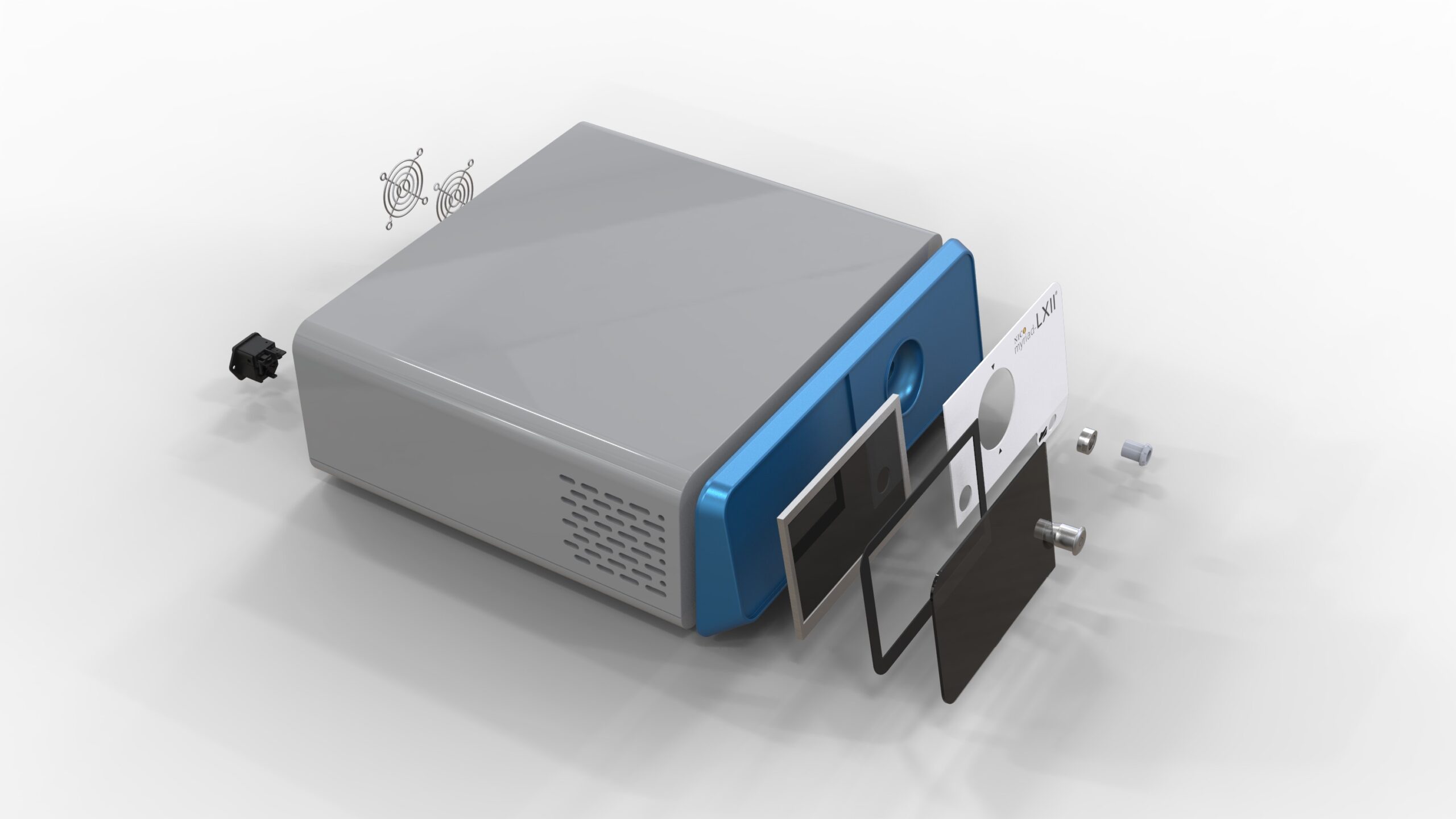
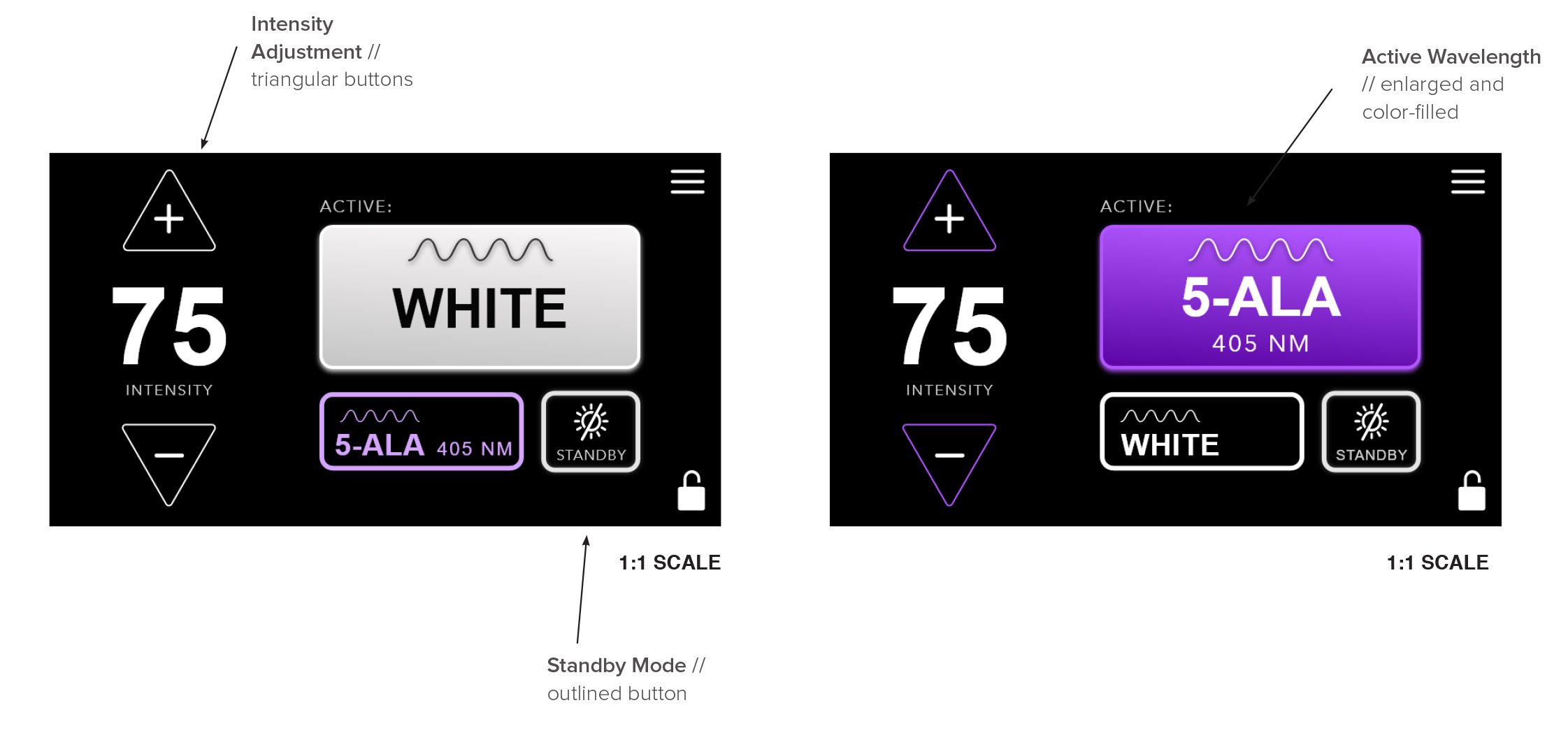
Beyond Design brought the SPECTRA to life by spearheading its industrial design and UI/UX, collaborating with Garrett Technologies on electronics development for NICO Corporation. The end-to-end transformation delivered a sleek cosmetic redesign, an intuitive capacitive touchscreen interface, updated workflow architecture, CMFG development, and custom branding.
The goal was to modernize and enhance the look to create a surgical device that visually communicates sophistication, precision, and confidence the moment a surgeon interacts with it. Soft geometric forms, strategic color blocking, and a streamlined interface helped position the SPECTRA as a next-generation surgical platform.
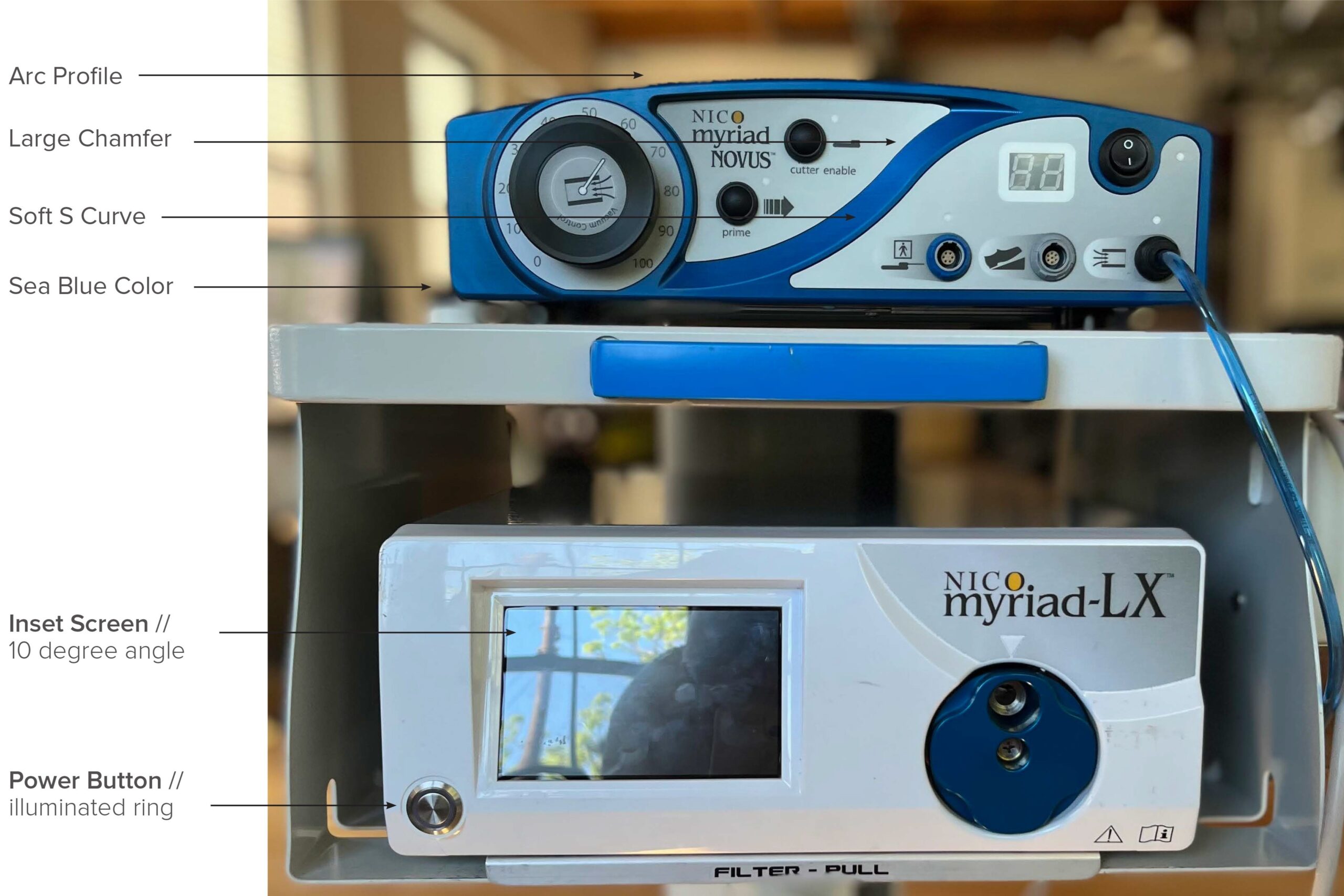
Why Design Mattered for the Sale
In medical technology, acquisitions are rarely based on engineering alone. Large companies are evaluating whether a startup’s technology can succeed commercially, integrate into healthcare environments, scale operationally, and earn the trust of surgeons and hospitals. Design becomes an integral part of that evaluation. In a high-stakes market, intuitive design acts as the ultimate differentiator by instantly broadcasting clinical credibility and commercial readiness at first glance.
For NICO, the SPECTRA became more than a prototype or technical proof of concept. It became a market-ready product experience. The industrial design, interface, and overall presentation helped communicate maturity and credibility at every touchpoint.
Strong design matters in healthcare because perception carries weight. Surgeons want tools that feel intuitive and precise. Hospital systems want confidence in reliability and usability. Strategic buyers want evidence that a company understands not only the technology itself, but how to position it successfully in the market.
The SPECTRA positioned NICO as a forward-thinking company ready for growth with a refined, market-ready product. This level of execution signaled to acquirers that NICO knew how to successfully commercialize innovation. While Stryker’s acquisition validates the underlying technology, the exceptional design played a critical supporting role by communicating that value clearly and competitively.
The Bigger Picture for Your Business
For startups and growing companies, design is often viewed as something added near the end of development. In reality, it can become one of the strongest business tools a company has. Good design builds trust, improves perceived value, simplifies communication, and helps innovations gain traction faster. This results in higher sales, maximized company value, and a stronger position for an eventual sale or acquisition.
The story of NICO, Beyond Design, Garret Technologies, and the SPECTRA is a reminder that the way a product looks, feels, and communicates is part of the business strategy itself. In many cases, it can help open the door to the partnerships, investments, and acquisitions that define a company’s future.
That is exactly the kind of work we do at Beyond Design, and a big shout-out to Garrett Technologies for developing the electronics.
 Top
Top