Toy Story Makes Products Come to Life
When my son was growing up, he loved the movie Toy Story. We watched it together over and over, and his favorite character was Buzz Lightyear. He loved him so much that he carried a Buzz Lightyear action figure with him wherever he went. Like a lot of kids, he connected with the characters. Buzz was brave, Woody was noble, and Jessie was adventurous. Each character had a distinct personality, something that also plays an important role in personality in product design.
But the cast was packed with memorable toys beyond the main characters, from Mr. and Mrs. Potato Head and Etch A Sketch to the little green army men and the three-eyed aliens. Their shapes, expressions, movements, and voices helped us understand who they were without needing much explanation. Even the smallest characters had enough detail to feel familiar and distinct. We could recognize them, relate to them, and sometimes even feel something for them.
That’s part of what made Toy Story so effective. The filmmakers didn’t just bring the main characters to life. They made an entire world of toys feel alive in the now iconic Pixar style. And there’s a lesson in that for product designers about the importance of personality in product design.
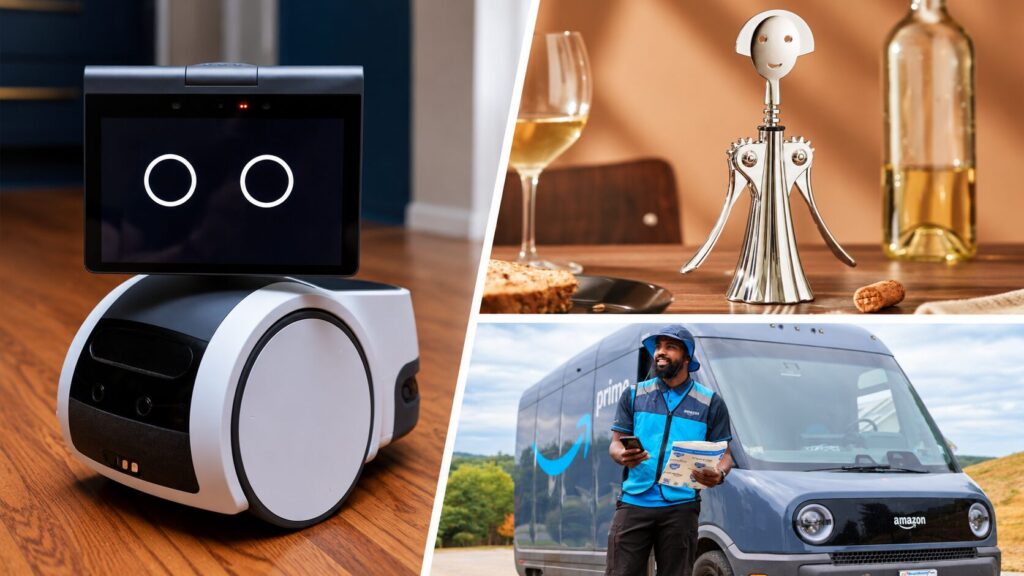
Little Things Bring Products to Life
As product designers, we spend a lot of time thinking about how something looks, how it works, and how people will use it. But we should also consider how people feel when they encounter it for the first time. A product can be technically impressive and function perfectly, yet still feel intimidating, unfamiliar, or out of place. Sometimes, the smallest design details can help bridge that gap.
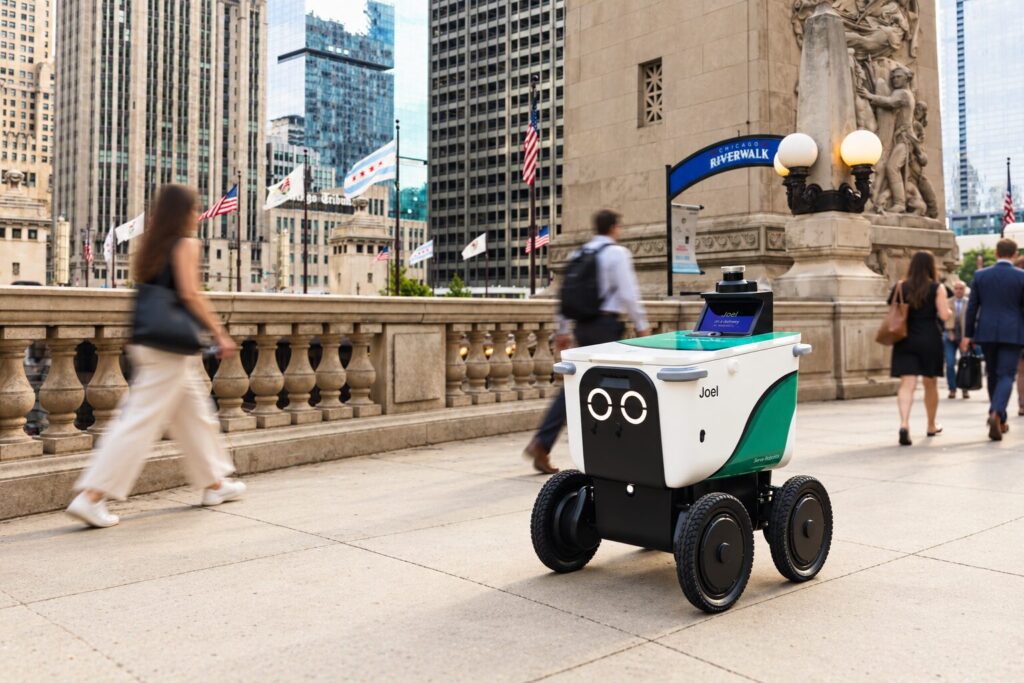
Familiar Forms in Unfamiliar Technology
Look at the delivery robots that are becoming more common on sidewalks and college campuses. These machines share public spaces with people, often carrying food or packages. Some have large digital eyes, animated expressions, or other visual cues that make them seem almost like little characters.
Those details don’t help a robot deliver a package any faster. But they can change how people perceive it. A pair of eyes gives the machine something that feels familiar. Rounded forms can make it appear less intimidating than exposed mechanical parts, while a simple animated expression can make an interaction feel more approachable. The technology hasn’t necessarily changed, but the way people experience it might.
Not every product needs a face, and adding one won’t automatically make people love it. But these examples raise an interesting design question: How can we make unfamiliar technology feel more comfortable in the world people already know?
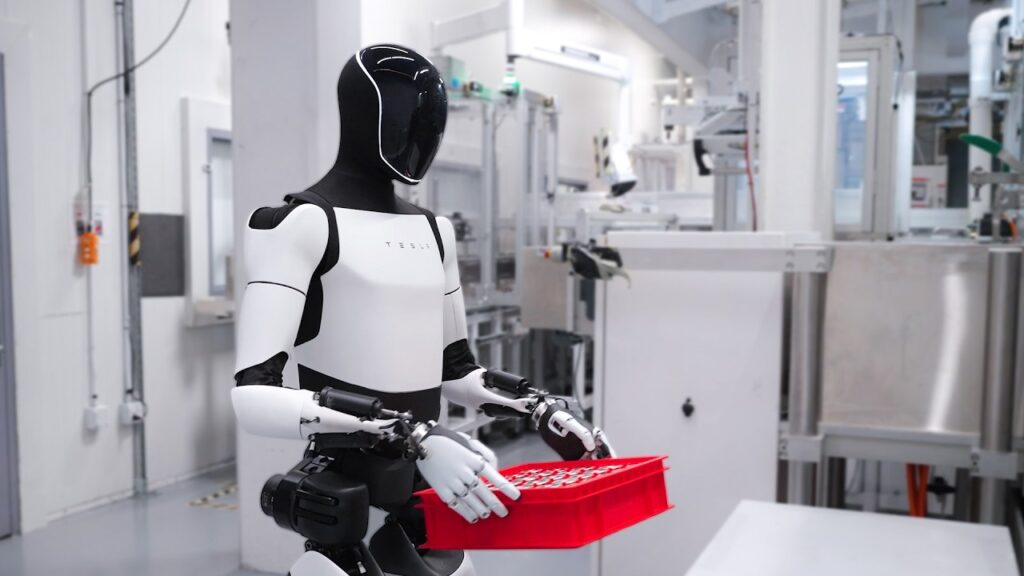
From Delivery Bots to Humanoid Robots
The question becomes even more interesting as robots move beyond delivering packages and begin taking on tasks that involve interacting directly with people. Tesla’s Optimus humanoid robot is one example of this emerging category. Human-shaped robots already benefit from a degree of familiarity because we instinctively understand many human movements and gestures. At the same time, a machine that looks almost human can feel unsettling if its appearance or movements seem unnatural.
This is where the details matter. Rounded forms, covered mechanical components, carefully considered proportions, and softer-looking surface treatments can influence how a robot is perceived. Textiles and other familiar materials may also help soften the appearance of machines designed to operate around people.
The goal isn’t necessarily to make a robot look like a toy or disguise the fact that it is a machine. It’s to consider the experience of the person standing in front of it.
Does the robot look approachable? Are its movements easy to interpret? Does its appearance suggest that it is safe to be around? Can someone understand how to interact with it without needing a manual? These are product design questions just as much as they are engineering questions.

Design Meets Acceptance and Function
At Beyond Design, we believe good product development requires looking beyond the mechanics of how something works. We also have to consider the people who will encounter it, use it, and ultimately decide whether it belongs in their lives.
Toy Story offers a useful reminder of how much personality can come from seemingly minor details. The filmmakers created characters that audiences could recognize and care about, even when those characters had only a few moments on screen. Product designers can apply a similar mindset without turning every product into a cartoon. Shape, color, materials, proportions, movement, and even the way a product communicates can influence how people perceive it.
Of course, thoughtful styling can’t compensate for a product that is unreliable, unsafe, or poorly designed. Making something look friendly doesn’t guarantee public acceptance, either. But when a product introduces unfamiliar technology into everyday life, its appearance can help shape that first impression.
Looking back, what made Toy Story so memorable wasn’t just Buzz Lightyear or Woody. It was the way the filmmakers gave an entire world of toys personality. Every detail helped make that world feel believable.
As technology becomes a bigger part of our everyday lives, product designers can take a lesson from that approach. The goal isn’t to make every product look like a toy. It’s to understand how personality in product design can influence how people feel about a product. A product’s success depends on more than how well it works. It also depends on how people experience it.

 Top