Why Late Design Changes Can Cost Millions
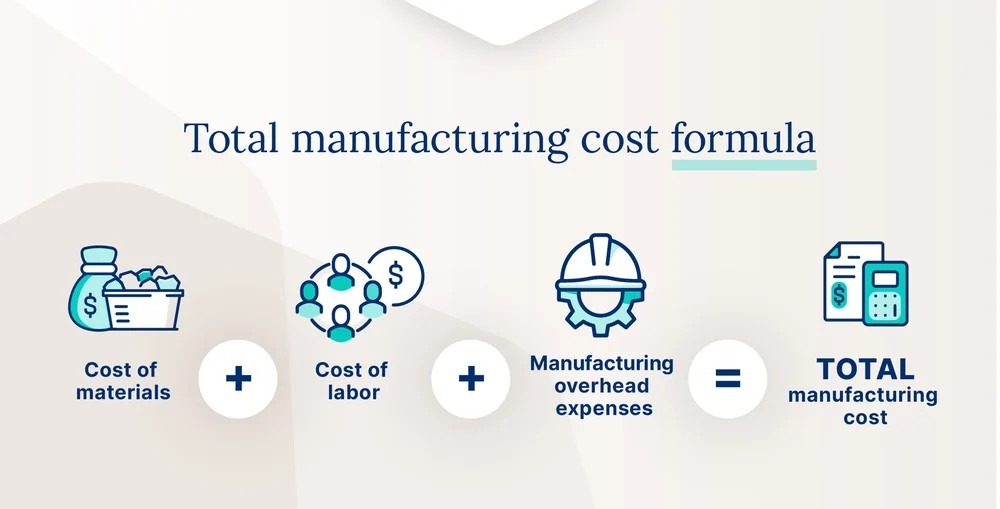
It sounds dramatic, but a single design change can make or break your New Product Development budget. Understanding why late design changes can add up to cost millions of dollars is critical for anyone developing a new product or innovation. What may seem like a minor adjustment, such as swapping materials or making the dimensions even slightly larger, can trigger a domino effect across tooling costs, manufacturing efficiency, packaging requirements, shipping expenses, and assembly time.
The Ripple Effect of a Design Change
The later a design change occurs, the greater its impact. So, by the time a product reaches engineering validation, tooling, or production preparation, countless decisions have already been made based on the existing design. Altering any one element forces teams to revisit completed work, which creates delays, adds costs, and puts pressure on the development schedule. What starts as a simple revision quickly becomes an expensive change order. To avoid this, experienced product development teams understand that every design decision affects more than just the product itself. Changes are made proactively to mitigate any last-second scrambles. Changes can occur, but the earlier they are identified, the less they cost to address.

Tooling Costs
Tooling is often the most expensive area affected by a late design change. Molds, dies, and fixtures are built to exact specifications and can be costly to modify once production tooling is underway. A dimensional change of only a few millimeters may feel minuscule, but it will actually require reworking steel, or adding inserts, or creating new tooling components. A change to wall thickness, draft angles, or snap-fit features can trigger additional engineering reviews, tooling revisions, and validation testing. Small costs during the concept stage can balloon significantly once tooling has been cut.
Manufacturing Costs
Manufacturing processes are optimized around a specific design. Production equipment, work instructions, quality checks, and cycle times are all developed based on the original product configuration. A material change can affect cooling times, finishing requirements, or production methods. A geometric change may require fixture updates or process adjustments. These modifications will increase labor requirements and production costs while extending launch timelines.
Packaging Costs
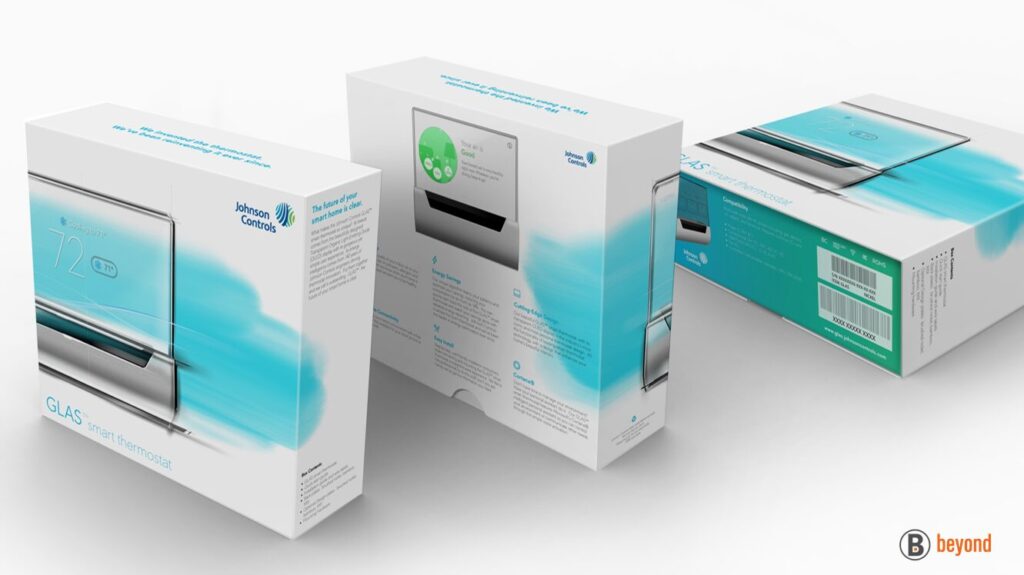
Packaging is designed around a product’s size, weight, and durability. Even small changes to the product can require updates to trays, inserts, cartons, and protective materials. A slightly larger product may no longer fit existing packaging components. A heavier product may require additional protection during shipment. If packaging tooling has already been completed, those updates create another round of development costs that the project must absorb.
Shipping Costs
Shipping costs are heavily influenced by dimensional weight, pallet density, and container utilization. Small design changes can have a surprisingly large impact on transportation costs. A product that becomes slightly taller or wider may reduce the number of units that fit inside a shipping carton. Fewer cartons may fit on a pallet, and fewer pallets may fit inside a container. When multiplied across thousands of units, a small increase in dimensions can significantly affect freight costs and profit margins.
Assembly Time Costs
Assembly efficiency is another area where small design decisions have major consequences. A tighter snap-fit, an additional fastener, or a revised tolerance can add seconds to the assembly process. While a few extra seconds may seem insignificant, those seconds add up across thousands or millions of units. Increased assembly time directly affects labor costs, production capacity, and overall manufacturing efficiency.
A Real Beyond Design Example
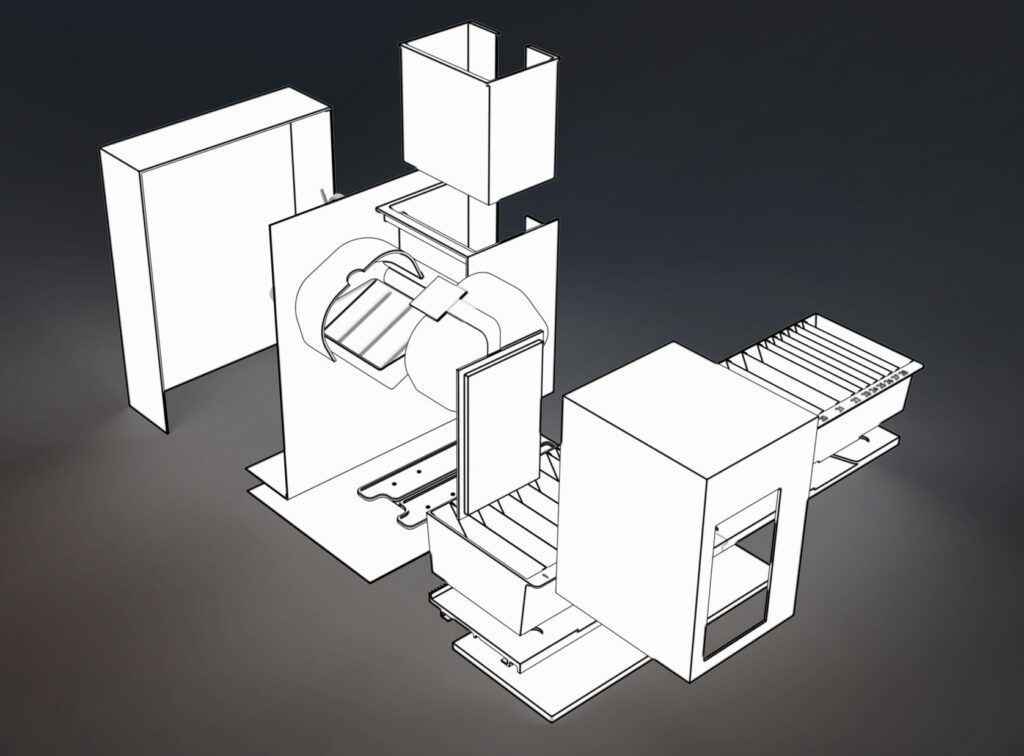
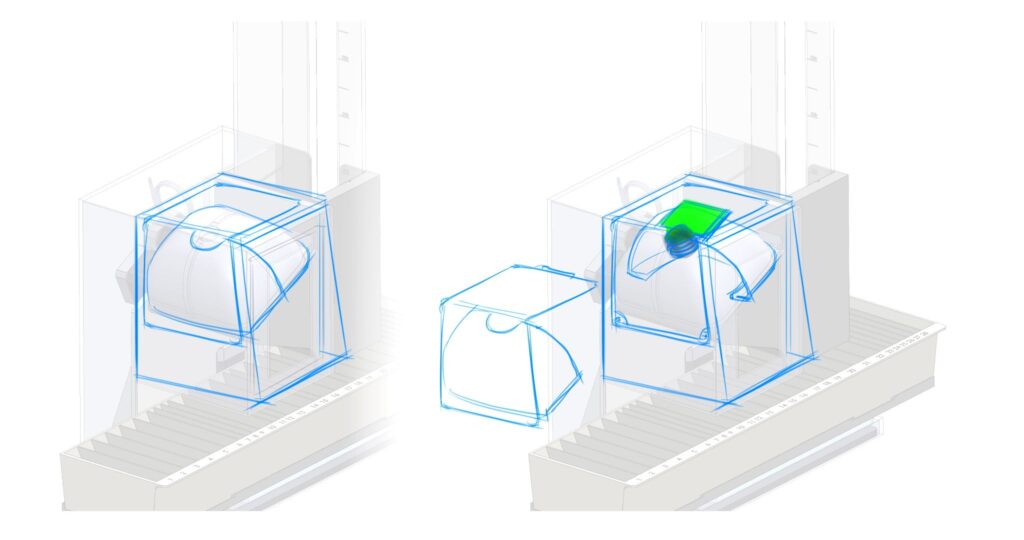
On CardMill, the client initially chose not to include a physical on/off button, believing the function could be handled through on-screen software instead. We recommended adding one early in development, but the client declined at the time. But then, late in the project when tooling and assembly plans were already locked in, the client reversed course and asked for a physical button after all. The change wasn’t as simple as adding a component. It required reworking the enclosure design, adjusting the PCB layout to accommodate the new switch, and revising the assembly sequence, all of which added cost and schedule pressure to a project that was already deep into production preparation.
We’re moving forward with the change because it will meaningfully improve the user experience. But the timing tells the real story: a decision made in week two would have cost a CAD revision. The same decision made in week forty cost tooling changes, engineering rework, and weeks of delay.
The Lesson for NPD
Design decisions rarely affect only one area of a product. Changes made late in development often create ripple effects across tooling, manufacturing, packaging, shipping, and assembly. The most successful teams evaluate these impacts early, when changes are faster, cheaper, and easier to implement.
That starts with being proactive: bringing in designers and engineers early enough to narrow down decisions before they become commitments, when a change means adjusting a CAD model rather than reworking tooling or retraining a production line. At Beyond Design, we help teams think through these downstream impacts from the start, so products move from concept to production with fewer costly surprises.

 Top
Top